Plug-in solar for Scottish homes, supplied, fitted and checked against Scottish rules.
Less sun up here means the position of the panel matters more than anywhere else in the UK. Give us your postcode and where it would go and we'll check it under Scottish planning rules, say what it would generate, and tell you which of the two network operators is yours.
- Scottish planning rules checked before anyone quotes
- We're paid by you, not by a manufacturer
- If a panel won't earn its keep at your house, we'll say so
Postcode first, then the spot
Your name and email, your postcode, and the roof, wall or garden you mean. You get an email back with the Scottish planning position, a realistic yearly figure, and the operator for your postcode.
Email only. Nobody else gets your details and nobody pays us commission.
661kWh a year
That is what one 800 watt device would make on an unshaded south facing roof pitch in Glasgow. In Inverness the same device makes about 628. Those are the lowest figures in the UK, so we would rather tell you the real number before you buy than after.
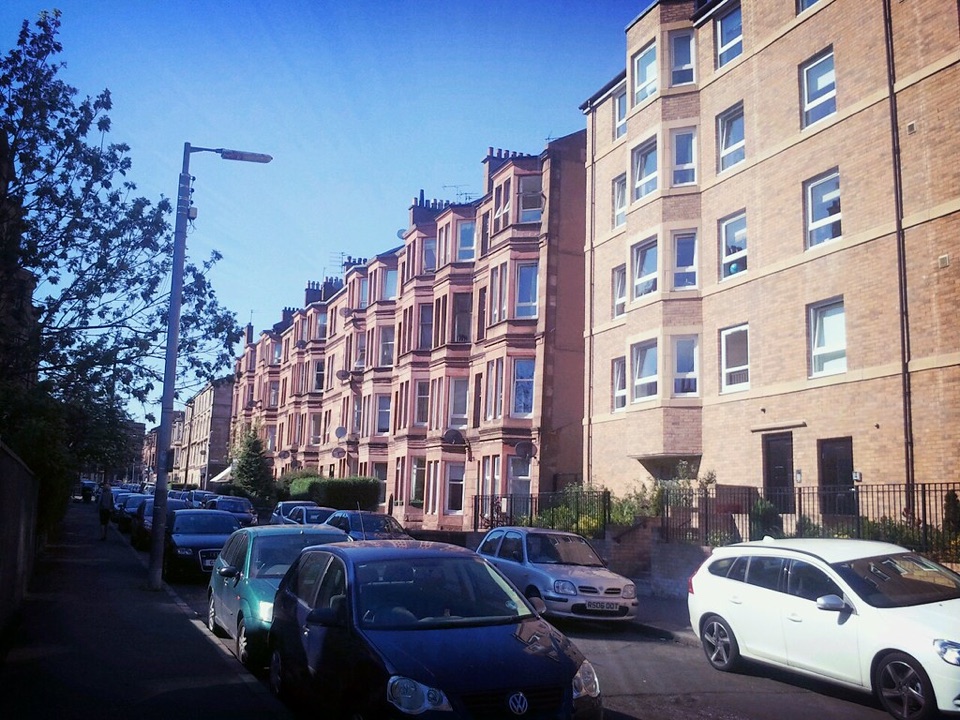
Sandstone tenements on Tantallon Road, Glasgow. We put a 0.8 kWp array at 35 degrees facing due south, losing 14 per cent in the system, through PVGIS on 13 September 2026.
How we help
We are not a shop. We check what you are allowed to do, we get the fitting priced by a local electrician, and we sit with you while you tell your network operator.
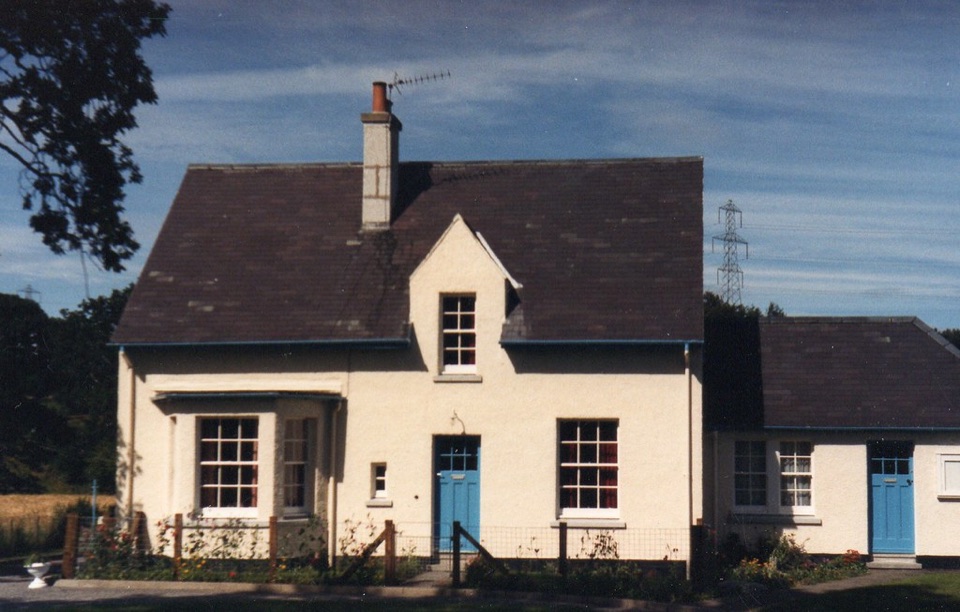
A surface and planning check
Stone, harl, render, brick or timber. What your wall is made of and where it faces decide what the Scottish rules let you put on it. We check that first.
Read this page
Fitting, and an outdoor socket
A plug-in device is built to be plugged in by anyone. An outdoor socket is the exception, because it has to be weatherproof and only an electrician can put one in.
Read this page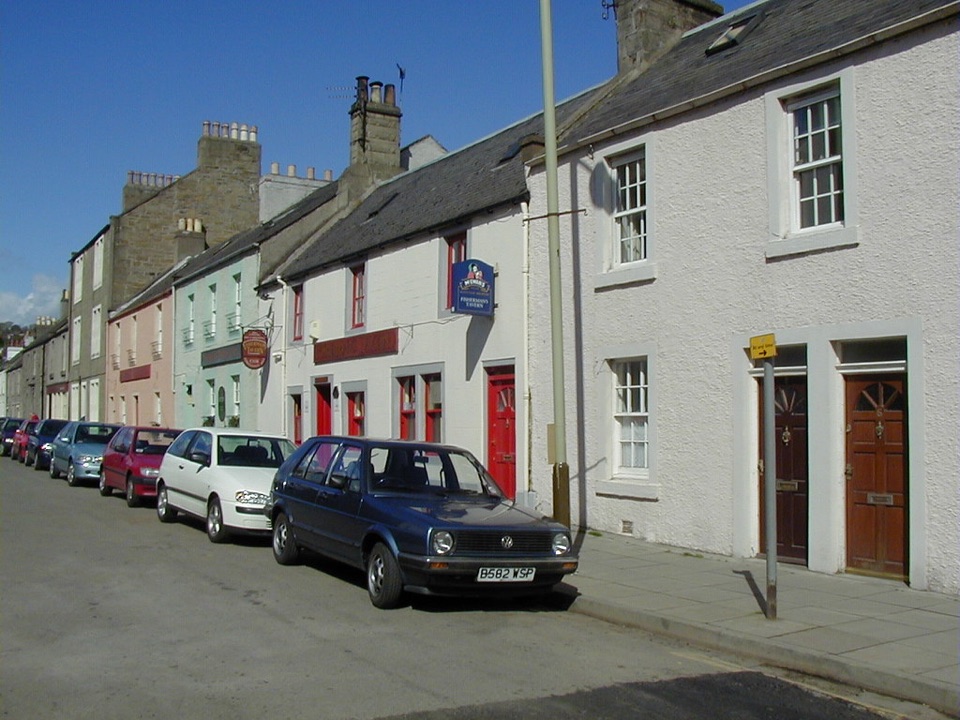
Your network operator
Once the panel is in, one of Scotland’s two operators needs to know. It is a short online form and we fill it in with you.
Read this pageWorth knowing before you buy anything
What Scottish planning rules allow
Scotland does not use the same permitted development rules as the rest of Britain. Ours are set out in Scottish Planning Circular 1/2024, and they are more generous about how far equipment may stand off a wall.
Scottish guidance does not mention plug-in solar, wooden walls or balconies at all. That means the general rules for solar panels apply, and it also means nobody can promise you an answer on a timber balcony. Where your case turns on that, ask your planning authority, and we will help you put the question.
- 1 mThe furthest any part of the equipment may stand off a wall, a roof plane, a ridge or a chimney on your house, under Class 6HA.
- 500 mmThe limit on a shed, a garage or another building in your garden, under Class 6HB, and that building must not be in the front curtilage.
- NoneA listed building, or anything inside the curtilage of one, is outside these rights altogether.
Scottish Planning Circular 1/2024 on householder permitted development rights, read 13 September 2026. In a conservation area the equipment has to go on a rear elevation, or on a side elevation that does not front a road.
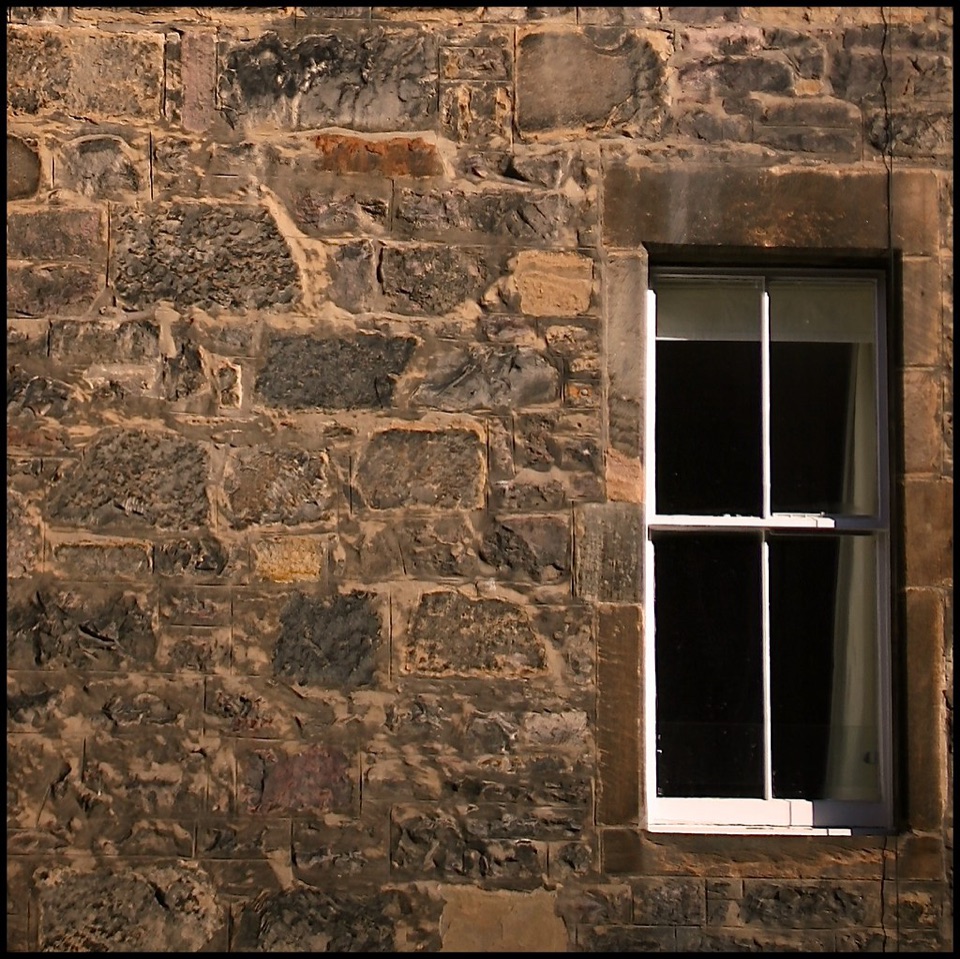
What a panel makes in Scotland, and why position matters so much here
Scotland gets the least sun in the UK, so the difference between a good position and a poor one is worth more here than it is further south. An east facing wall gives you about half what a roof pitch gives you at the same address.
- Glasgow
- Inverness
Four mountings run through PVGIS on 13 September 2026, each of them a 0.8 kWp array losing 14 per cent in the system with nothing shading it, once at Glasgow and once at Inverness. Scotland is not two points, and a coastal house is not an inland one. Generation is also not the same as saving, because what you save depends on how much you are using while the panel is working.
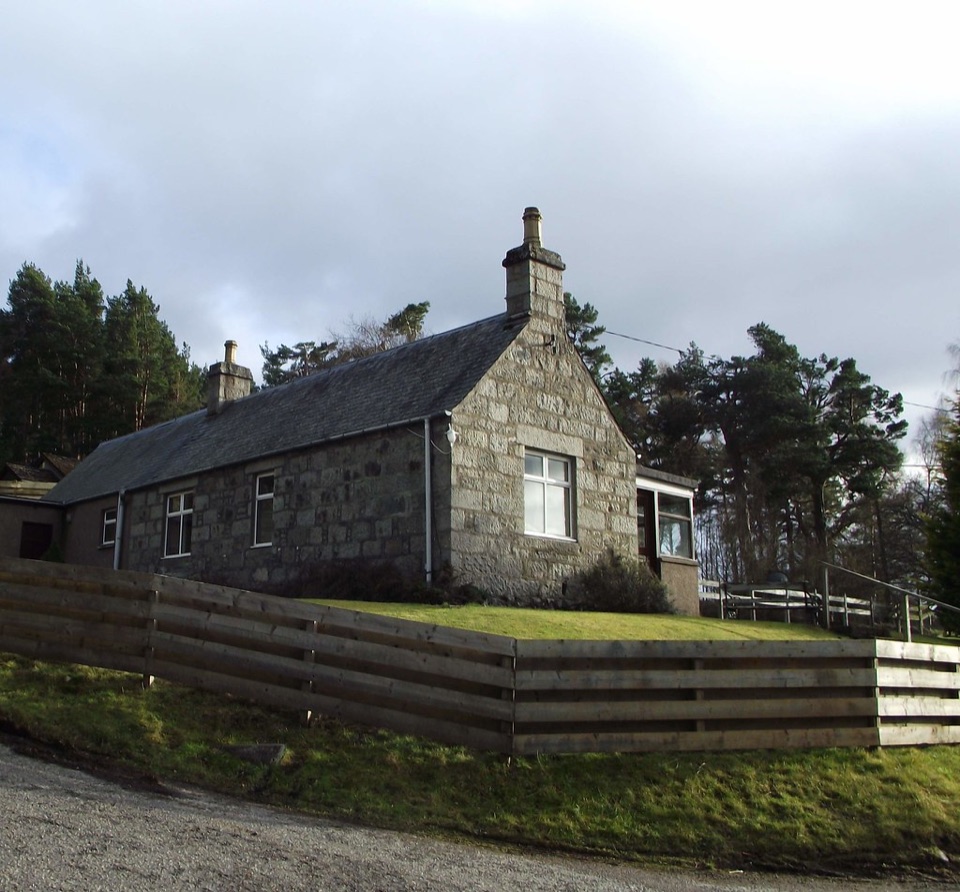
Scottish Hydro Electric in the north, SP Distribution in the south: which one is yours
Everywhere else in Britain a regional firm has one operator to name. Scotland has two, and the line between them does not follow anything you can see on the ground.
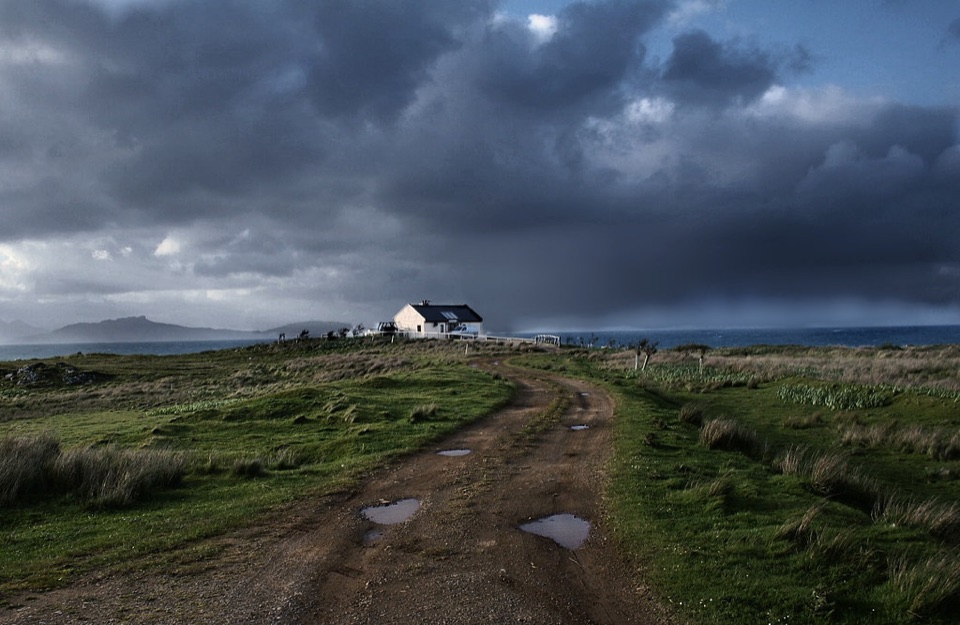
The north
Scottish Hydro-Electric Power Distribution plc runs the wires across the north of Scotland, from the Highlands and the islands down through Aberdeen and Inverness.
We hold that as a working map rather than a checked one, so confirm it on the operator’s own postcode checker.
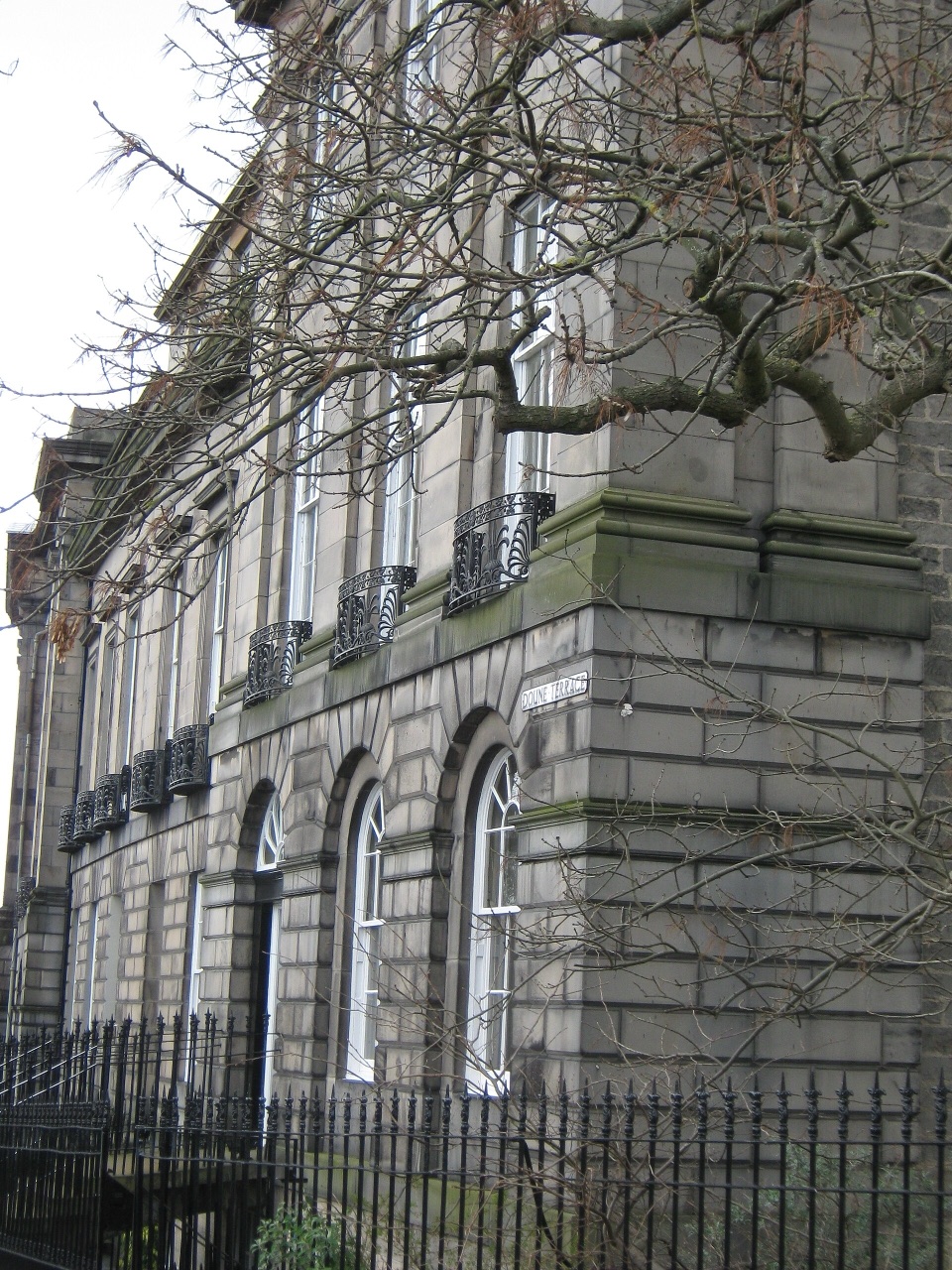
The south and the centre
SP Distribution plc runs the wires across the central belt and the south, which takes in Glasgow, Edinburgh, Fife, the Borders and Dumfries and Galloway.
The quick route is to ring 105. It costs nothing, it works from any postcode in Great Britain, and it connects you to the company whose wires come into your street.
Licence areas from the working map in our sources, read 13 September 2026, and confirmed by you on the operator’s own checker. The 105 number is Ofgem’s route to the same answer.
Questions we're asked
Do I need planning permission?
For most Scottish homes the answer is no, but your own house settles it. Scottish permitted development lets equipment stand up to 1 metre off a wall, a roof plane, a ridge or a chimney. It does not apply to a listed building or anything in the curtilage of one, and in a conservation area the panel has to go on a rear elevation or on a side elevation that does not front a road. We check your house against that before you spend anything.
How many can I have?
One per household. The product specification allows one device on a final ring circuit and then hands the question to the network rules, and those rules, under Engineering Recommendation G98 Issue 2 Amendment 1, stop at one home until they are changed.
Is a battery allowed?
No, not inside the approved class. The interim product specification covers neither a standalone plug-in battery nor a solar device built with storage in it, so a kit offered to you on that basis sits outside what was approved.
What does it cost?
There is no price list here, because no figure we could print would hold. What the kit costs moves about, and what an outdoor socket costs turns on your own wiring. You get a number from us once we have seen what your wall is.
Send your postcode and we'll check everything
Give us the postcode and tell us what the wall or the roof is built of. Our reply names the Scottish class that covers it and the yearly figure for the spot you picked.
Send us your postcode